

Yeast Infections in Dogs and Cats: Symptoms & Natural Skin Care


By Tami Kersch - CEO- Pet Lover - Blogger
Is your dog constantly licking their paws, scratching their ears, or dealing with irritated, smelly skin? Does your cat have recurring skin irritation, redness, or unusual patches of flaky skin? Yeast could be part of the problem.
Yeast-related skin problems are surprisingly common in dogs and cats. While yeast naturally lives on the skin, certain conditions can allow it to multiply, leading to irritation, itching, inflammation, and recurring skin problems.
For pet owners, dealing with yeast-related skin issues can be frustrating. The constant
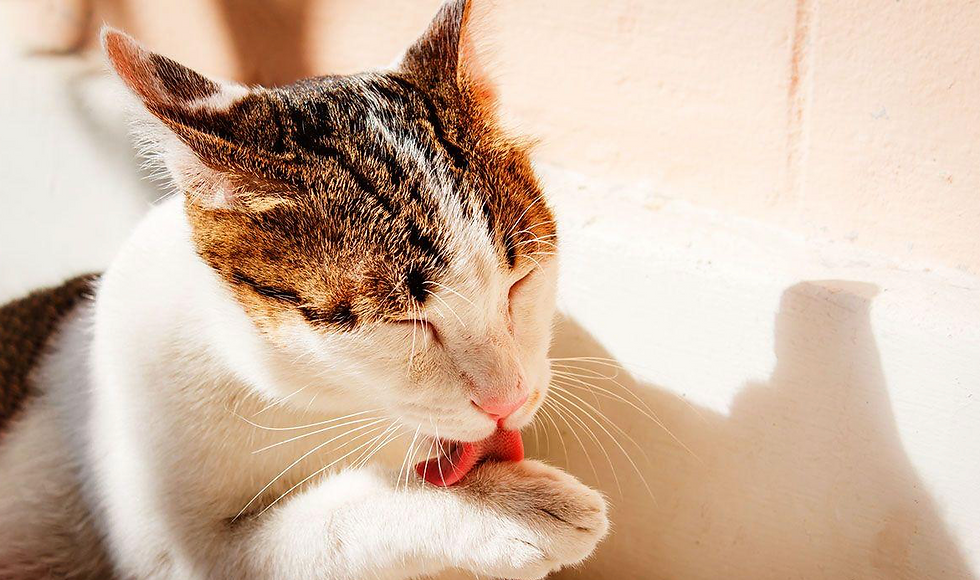
scratching, licking, unpleasant odours, and irritated patches can leave your furry friend uncomfortable and unhappy.
Understanding what causes yeast to overgrow, recognizing the warning signs, and providing appropriate skin care can make a meaningful difference in your pet's comfort and overall skin health.
Let's take a closer look at yeast problems in dogs and cats and how FurBabies Ruff Skin can become part of your pet's natural skin-care routine.
Why you should know about Yeast Infections in Dogs and Cats: how to spot the Symptoms & use Natural Skin Care as a remedy.
What Causes Yeast Problems in Dogs and Cats?
One of the most common yeasts associated with skin problems in pets is Malassezia. This naturally occurring yeast is normally found on the skin and in the ears of healthy animals.
Under normal circumstances, it lives in balance with the skin's natural microorganisms. However, when the skin environment changes or underlying health conditions disrupt that balance, yeast can multiply excessively.
This overgrowth can lead to a condition known as yeast dermatitis.
Several factors can contribute to yeast-related skin problems, including:
Allergies: Environmental and food sensitivities can cause inflammation and compromise the skin's natural protective barrier.
Moisture and humidity: Damp skin, skin folds, and areas that don't dry properly can create favourable conditions for yeast growth.
Skin irritation: Scratching, licking, and damaged skin can contribute to ongoing inflammation.
Underlying skin conditions: Dermatitis and other skin disorders can make yeast overgrowth more likely.
Hormonal and metabolic conditions: Certain endocrine disorders can affect normal skin function and contribute to recurring infections.
It's important to understand that yeast problems are not simply caused by poor hygiene. Even well-groomed, healthy pets can develop yeast-related skin conditions.
7 Common Signs of Yeast Problems in Dogs and Cats
Yeast-related skin irritation can develop in several areas of your pet's body. Some symptoms are easy to recognize, while others can be mistaken for allergies, bacterial infections, or ordinary skin irritation.
Here are seven signs pet owners should watch for:
1. Constant Paw Licking and Chewing
Does your dog constantly lick or chew their paws?

Yeast-related irritation can develop between the toes and around the paw pads. You may notice redness, inflammation, brownish staining of the fur, or an unpleasant odour.
Persistent licking can further irritate the skin, creating a cycle of discomfort.
2. Itchy, Red or Inflamed Skin
One of the most recognizable signs is persistent itching.
Your pet may scratch their belly, legs, armpits, groin, or other areas of their body. The affected skin may appear red, irritated, greasy, or inflamed.
3. Unpleasant or Musty Odour
A noticeable musty or unusual smell can sometimes accompany yeast overgrowth.
Even after bathing, the odour may return if the underlying skin condition hasn't been addressed.
4. Recurring Ear Problems
Yeast can also affect the ears, particularly in dogs.
Signs may include:
Frequent head shaking.
Scratching around the ears.
Redness inside the ears.
Dark or waxy ear discharge.
Unusual odour.
Ear problems should always be properly evaluated, as bacterial infections and other conditions can produce similar symptoms.
5. Greasy, Flaky or Scaly Skin
Some pets develop greasy patches, dandruff-like flakes, crusting, or thickened skin.
These changes are particularly common in areas where yeast dermatitis develops.
6. Hot Spots and Irritated Patches
Hot spots are areas of inflamed, damaged skin that can develop when pets repeatedly scratch, lick, or chew themselves.
Although hot spots are not necessarily caused by yeast, they can occur alongside other skin conditions and may become secondarily infected.
7. Hair Loss and Darkened Skin
Chronic scratching and licking can damage hair follicles and cause localized hair loss.
Over time, affected skin may become darker, thicker, and more leathery in appearance.
If you notice recurring symptoms, it's important to have your veterinarian investigate the underlying cause rather than simply treating the visible irritation.
Can Cats Get Yeast Skin Problems Too?
Absolutely!
Although yeast dermatitis is more commonly diagnosed in dogs, cats can also experience yeast-related skin conditions.
Cats may develop irritation around their faces, ears, chin, skin folds, and other areas of their bodies.
Some warning signs include:
Excessive grooming or licking.
Red or irritated skin.
Greasy or flaky patches.
Hair loss.
Ear irritation and unusual discharge.
Persistent scratching.
Cats can be particularly good at hiding discomfort, so changes in grooming habits or behaviour are worth paying attention to.
Recurring or widespread skin problems in cats should always be investigated by a veterinarian because they can sometimes be associated with underlying medical conditions.

Why Do Yeast Problems Keep Coming Back?
This is one of the biggest frustrations for pet owners.
You treat the irritation, your pet seems better, and then a few weeks later the scratching, licking, and redness return.
Why?
Because yeast overgrowth is often a secondary problem rather than the original cause.
For example, a dog with environmental allergies may repeatedly develop inflamed skin. That compromised skin environment can make yeast overgrowth more likely.
Unless the underlying allergy or skin condition is identified and managed, the problem may continue to return.
Veterinarians can examine skin samples under a microscope to determine whether yeast is contributing to the irritation. Depending on the severity, treatment may involve prescription antifungal medication, medicated shampoos, topical treatments, or a combination of approaches.
Addressing the underlying cause is an important part of achieving longer-term skin health.
Supporting Your Pet's Skin Naturally
Healthy skin is an important part of your pet's overall wellness. While veterinary treatment may be necessary for diagnosed infections, everyday skin care can also play an important role in maintaining comfort and supporting the skin's natural protective barrier.
Here are a few ways to help:
Keep skin clean and dry. Pay particular attention to paws, skin folds, and areas that tend to retain moisture.
Address excessive licking and scratching. These behaviours can cause additional damage and make existing irritation worse.
Maintain a healthy skin-care routine. Use appropriate pet-friendly topical products to help care for irritated skin.
Pay attention to recurring symptoms. Repeated skin problems may indicate an underlying allergy or other health condition that needs attention.
Support overall wellness. A balanced diet and appropriate nutritional support help maintain your pet's general health, including healthy skin and coat.

FurBabies Ruff Skin: Targeted Topical Care for Irritated Skin
When your furry friend is uncomfortable, you want to give their skin the attention it deserves.

That's why FurBabies developed Ruff Skin, a specially formulated, plant-based topical skin-care solution designed to help soothe and care for pets experiencing common skin concerns, including hot spots, yeast-related skin irritation, rashes, insect bites, and minor skin wounds.
Available in both a convenient spray and a soothing salve, Ruff Skin makes it easy to incorporate targeted topical skin care into your pet's daily wellness routine.
Whether your dog is constantly licking an irritated paw, your cat has a troublesome patch of skin, or your pet is dealing with recurring areas of irritation, Ruff Skin offers a natural approach to everyday skin care.
Why Pet Owners Love Ruff Skin
Plant-Based Skin Care: Formulated with natural ingredients to support and care for your pet's skin.
Helps Soothe Irritated Skin: Designed to help calm and comfort areas affected by common skin irritations.
Multiple Skin Concerns: Suitable for topical care involving hot spots, yeast-related irritation, rashes, insect bites, and minor wounds.
Two Convenient Formats: Choose the spray for easy application or the salve for targeted skin care.
For Dogs and Cats: A convenient addition to your pet's skin-care routine.
Ruff Skin is about giving irritated skin the care and attention it needs while supporting your pet's natural skin-care routine.
A Note About Yeast Infections: Ruff Skin is a topical skin-care product, not a veterinary antifungal medication. Diagnosed yeast infections may require specific antifungal treatment. Always consult your veterinarian if symptoms are persistent, spreading, painful, or recurring.
Don't Let Skin Irritation Take the Joy Out of Being a Pet!
Our pets depend on us to recognize when something isn't right. Constant scratching, paw chewing, unpleasant odours, and irritated skin aren't things we should simply accept as normal.
Understanding the causes of yeast-related skin problems is the first step toward helping your pet feel more comfortable.
With proper veterinary care, attention to underlying causes, and a consistent skin-care routine, you can help your furry friend enjoy healthier-looking skin and a happier, more comfortable life.
At FurBabies, we believe in taking care of your fur baby naturally.
Yeast Infections in Dogs and Cats: Symptoms & Natural Skin Care
Give irritated skin the attention it deserves. Discover FurBabies Ruff Skin today, available in both spray and salve, and make natural topical skin care part of your pet's wellness routine.
Shop Ruff Skin at www.furbabiesco.com


Comments